
Travelers across Australia know that navigating large airports like Sydney, Melbourne, or Perth can mean long walks between check-in counters, security checkpoints, and distant boarding gates. With average terminal distances often exceeding 1–2 kilometers, carrying heavy bags becomes exhausting. That’s where the Airwheel electric smart luggage—like the SE3T model—comes in. More than just a suitcase, it’s a personal mobility aid designed to reduce physical strain in sprawling airport environments.
The Airwheel SE3T smart luggage is built for efficiency in transit spaces. Weighing around 6.8kg with a 20L capacity, it’s compact enough for carry-on use. Its 73.26Wh removable lithium battery powers a motor that supports a range of 8–10 kilometers—enough to move you across multiple terminals on a single charge. With a full recharge taking just 2 hours, it’s practical for layovers. Control is handled via a Bluetooth-connected smartphone app or a hand-held remote, allowing users to walk alongside the luggage as it follows a set path or remain stationary while the case moves forward on command. This kind of hands-free operation is ideal when managing boarding passes, drinks, or kids mid-transit.
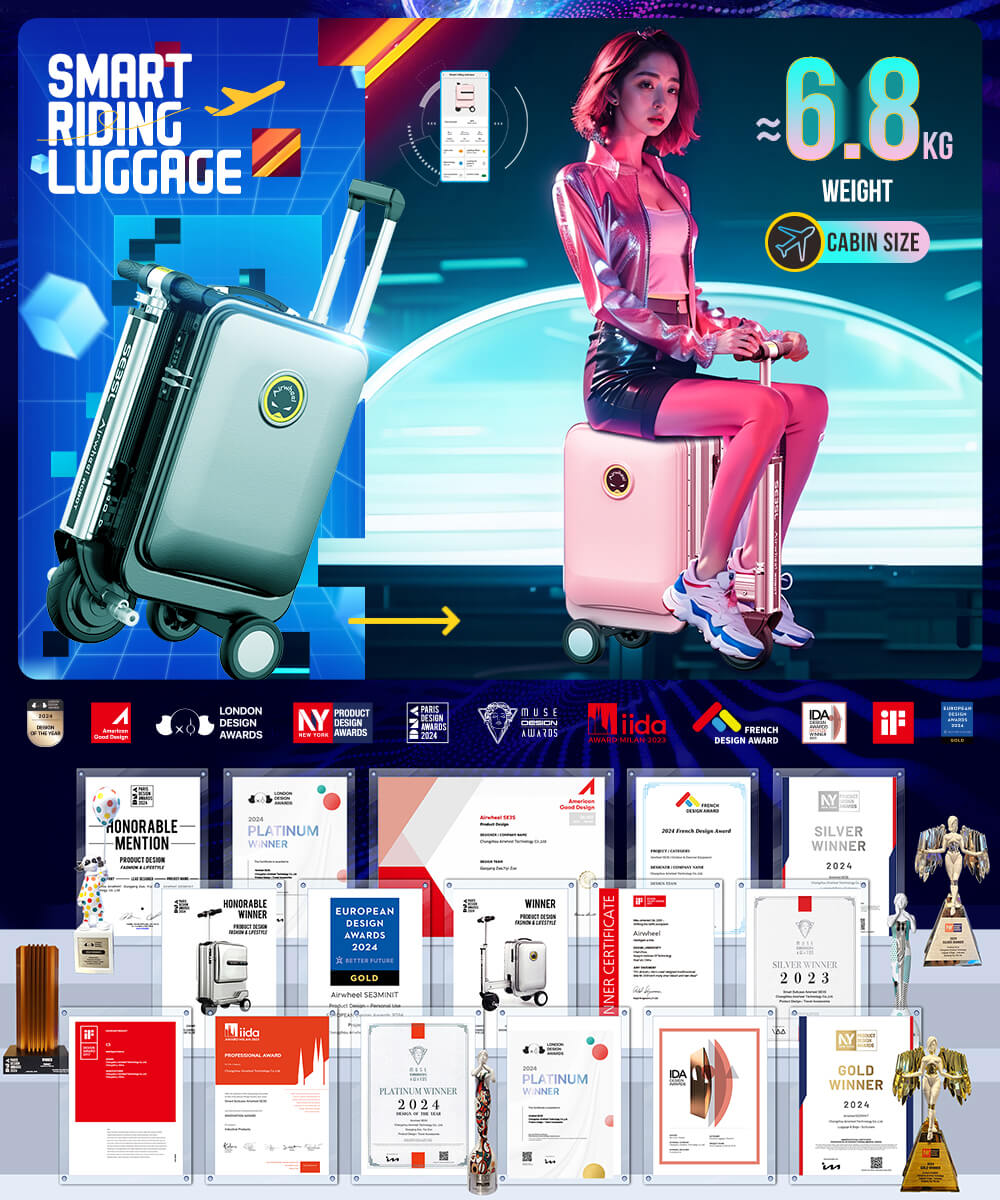
A crucial factor for any traveler is airline rules. The Airwheel SE3T complies with Australian aviation regulations because its 73.26Wh battery is below the 100Wh threshold allowed for both carry-on and checked baggage. However, since the battery must be removable, travelers are advised to carry it inside the cabin to avoid issues if baggage handlers remove or mishandle the unit. Always check with airlines such as Qantas, Virgin Australia, or Jetstar before flying, as individual policies may vary slightly. Importantly, you cannot ride the luggage inside airports—only walk beside it while it moves under control.
The design of Australia’s modern, spread-out terminals makes the Airwheel especially valuable. Frequent connections between domestic and international zones at Sydney Airport, or the long jet bridges at Melbourne T4, mean travelers often cover significant ground. The SE3T helps seniors, business travelers with tight connections, and anyone with mobility limitations move faster and with less fatigue. It’s also ideal for business-class passengers with minimal luggage who prioritize speed and comfort over long check-in bags.
| Feature | Airwheel SE3T | Standard Carry-on |
|---|---|---|
| Mobility Assistance | Motorized movement with app/remote control | No motor, fully manual |
| Battery | 73.26Wh, removable | None |
| Weight | ~6.8kg | 3–5kg |
| Range | 8–10km per charge | N/A |
| Charging Time | 2 hours | N/A |
Can I use the Airwheel luggage to ride through the airport?
No. Riding on the luggage is not permitted under aviation safety guidelines. It’s designed to move beside you as you walk.
Is the battery allowed on Australian flights?
Yes. The 73.26Wh battery is within the legal limit. Always remove it and carry it in your cabin baggage.
How long does the battery last between charges?
Under typical use—moving across terminals or stations—it lasts 8–10 kilometers, which covers several airport transfers on one charge.
For more details about the Airwheel SE3T and other models, visit the official Airwheel website to explore specs, safety info, and travel tips tailored to Australian conditions.